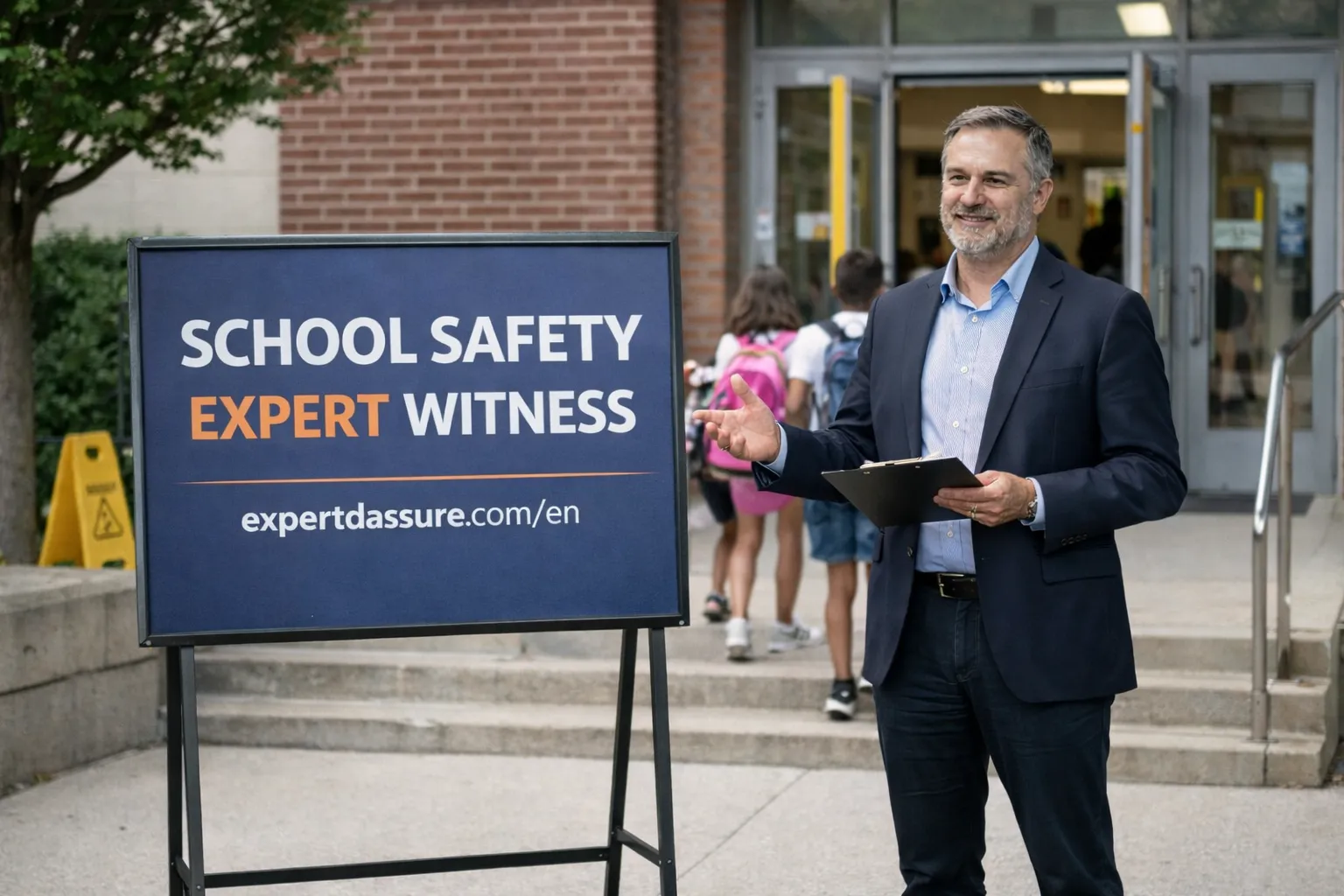
Who is the insured in a school injury claim
In most cases the school, district, academy trust or private school operator holds liability cover, either through a commercial insurer, a public-sector risk pool or a government-backed arrangement. In England, many academies use the Department for Education's Risk Protection Arrangement instead of commercial insurance. Contractors such as transport providers, caterers and activity centres usually carry their own public liability policies.
Families may also be policyholders: personal accident cover arranged through a school, a family's own accident policy or travel insurance on a school trip can pay fixed benefits regardless of fault. An expert witness can be relevant on either side, and understanding which policy is responding shapes the questions the expert must answer.
The standard of care in education settings
Schools are generally expected to take the care that a reasonably careful parent or a reasonably competent school would take, adjusted for the age of the children, the activity and the setting. That standard is not perfection: courts on both sides of the Atlantic recognise that children will have accidents and that constant supervision is neither possible nor desirable. The expert's job is to explain what reasonable practice looked like in that context at that time.
What a school safety expert examines
School safety is a broad field, and the right expert depends on the incident. Some experts are former headteachers, principals or safeguarding leads; others are health and safety professionals, playground inspectors, sports coaches, transport specialists or security consultants.
Their analysis typically covers staffing ratios, supervision arrangements at break times, risk assessments for activities and trips, maintenance records for equipment and buildings, training of staff, incident reporting and how the school responded once the danger was known.
- Playground and sports injuries involving equipment, surfaces or supervision
- Science, design technology and workshop accidents
- School trips, outdoor education and residential visits
- Bullying, assaults and safeguarding failures
- Building defects, slips, trips and falls on school premises
- School transport and drop-off arrangements
Coverage problems schools run into
Schools sometimes discover that their insurer has reserved its rights or declined cover. Typical reasons include late notification, an exclusion for abuse or molestation, a claim falling outside the policy period, or disagreement over whether an activity was within the declared operations. Historic abuse claims are particularly complex because they may involve many policy years and insurers who no longer trade.
An expert on school practice will not decide the coverage question, but the expert's findings can matter: for example, whether an incident was a single event or a pattern, when the school knew of the risk, and whether policies and training met the standard expected by insurers.
Evidence that wins or loses these cases
Documents drive school safety cases. Risk assessments, trip approval forms, rota sheets, CCTV, accident books, maintenance logs, training certificates and safeguarding records all show what the school planned and what it actually did. Gaps in records are often treated as gaps in practice, fairly or not.
Schools that receive a claim should preserve these records immediately and tell their insurer or risk pool without delay. Families should request records through the appropriate channels and keep their own notes, photographs and medical evidence. In both cases, witness memories fade fast, so statements should be taken early.
Working with medical and quantum experts
A school safety expert addresses liability: whether the school fell short and whether that caused the injury. The value of the claim is a separate exercise involving medical experts, educational psychologists, care experts and sometimes vocational experts for long-term effects on earning capacity. Coordinating these experts avoids contradictions and keeps the overall cost of the dispute under control.
Instructing an expert sensibly
Choose an expert whose experience matches the setting: primary, secondary, special educational needs, boarding or outdoor education are distinct worlds. Ask about previous reports and whether the expert has acted for both claimants and defendants. Fees are usually hourly or a fixed sum for a report, with extra charges for site visits and hearings. Where the school is the insured, the insurer often appoints and pays the defence experts; where a family is claiming, legal expenses insurance or a conditional fee arrangement may affect how the expert is funded.
Trips, activities and third-party providers
Many serious incidents occur away from the school site, on residential trips, adventure activities, swimming lessons or work experience placements. Responsibility may be shared between the school and an activity provider, a coach operator or a host organisation, each with its own liability insurance. A school safety expert examines how the provider was selected, whether its licences and accreditations were checked, what information was exchanged about pupils' needs, and whether supervision ratios were appropriate to the activity and the group.
For the school, a clear audit trail of these checks is often the best defence. For families, the same documents reveal whether the risks were properly considered and whether the claim should be directed at the school, the provider or both.
Organisations offering this service
- Expert Witness Institute (EWI): UK institute supporting expert witnesses, offering membership grades, a podcast and a professional recognition programme including honorary fellowships.
- The Expert Witness Institute (EWI): UK body representing expert witnesses, offering training, membership and professional resources to experts who give evidence in court.
- The Academy of Experts: British professional body for expert witnesses, which has notably issued guidance for experts giving evidence remotely in court proceedings.
- Financial Ombudsman Service: Official free dispute resolution service in the United Kingdom, handling complaints from policyholders against insurers, including disputed or rejected insurance claims.
External links provided for information only; check the terms directly with each organisation.
Frequently asked questions
Does a school have to prevent every accident?
No. The standard is reasonable care for the age and activity concerned. An expert explains what that meant in the specific circumstances.
Who pays for the school's expert witness?
Usually the school's liability insurer or risk pool, as part of defending the claim, provided cover has been accepted.
Can a family claim from a school personal accident policy and also sue?
Often yes, since personal accident benefits are typically fixed sums paid regardless of fault, but check the policy terms and take legal advice.
School injury cases hinge on what reasonable practice looked like on the day. Preserving records early and choosing an expert with matching experience gives the insured, whether school or family, the strongest footing.