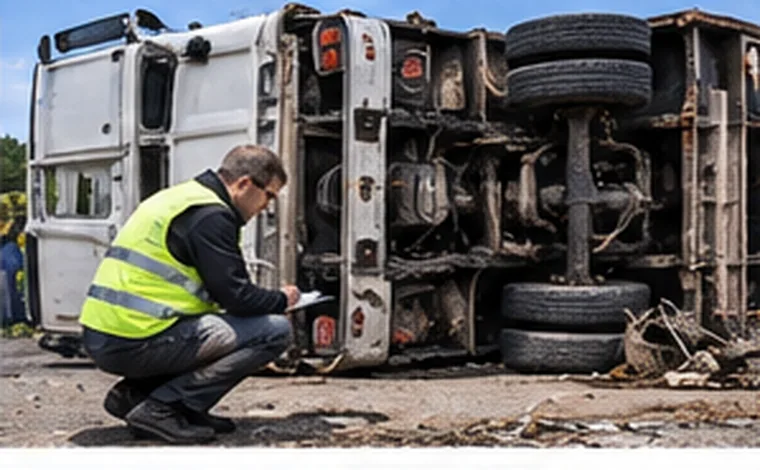
What the fee actually buys on a commercial vehicle file
An assessor's fee covers more than a site visit. On a truck or van claim the work normally starts with a review of the commercial motor policy, its schedule and endorsements, followed by an inspection of the vehicle at the recovery yard or repairer. The assessor then builds an independent estimate covering the chassis cab, body, trailer and any fitted equipment, or prepares a market valuation if the vehicle is a likely total loss.
The remaining hours go into evidence and negotiation: collecting maintenance records, tachograph or telematics data and specification sheets, comparing the insurer's report line by line, meeting or calling the insurer's engineer, handling supplementary damage found during strip-down and following the file until payment. A clear quote should list which of these tasks are included.
Indicative fee tiers by claim value
The table gives an order of magnitude observed on English-speaking markets for percentage-based commercial vehicle assignments. It is not an official scale and no regulator publishes one for vehicle claims. Amounts are shown in pounds and US dollars as reference points; Canadian, Australian and euro figures follow similar proportions. Many assessors replace the lower tiers with a fixed fee.
The percentages fall as the claim grows because the core work, inspection, valuation, report and negotiation, does not double when the vehicle value doubles. A high-specification refrigerated rigid and a basic panel van can need similar effort, while their values differ greatly.
| Claim value (GBP / USD) | Indicative fee | Typical pricing |
|---|---|---|
| Up to 10,000 | Fixed fee or 12% to 15% | Short report or valuation challenge |
| 10,001 to 25,000 | 10% to 12% | Fixed fee or percentage |
| 25,001 to 50,000 | 8% to 10% | Percentage, often on the uplift |
| 50,001 to 100,000 | 6% to 8% | Percentage or capped fee |
| 100,001 to 250,000 | 5% to 6% | Percentage, sometimes hourly |
| 250,001 to 500,000 | 4% to 5% | Tiered percentage or time-based |
| Over 500,000 | 2% to 4% or negotiated | Multi-vehicle or fleet losses, bespoke terms |
Indicative amounts, to be checked with each expert.
Fixed fees, hourly rates and contingency percentages
Three pricing models dominate. A fixed fee is common for a standalone engineer's report or a total loss valuation challenge, and it gives the operator certainty from the outset. Hourly or daily rates are used for complex fleet incidents, multiple vehicles or work involving expert evidence for litigation. Contingency percentages appear mainly where the assessor runs the whole claim and negotiates the settlement.
With a percentage, the base matters enormously. It may apply to the total settlement, to the amount paid on top of the insurer's initial offer, or to the repair cost agreed. A percentage of the uplift only rewards the assessor for the improvement achieved, which is often fairer on vehicle claims where the insurer's first offer is not far off.
Minimum charges, travel and taxes
Most firms set a minimum fee so that small claims remain viable. Travel to remote yards, overnight stays, specialist inspections of refrigeration units or hydraulics, and the cost of independent parts pricing may be billed in addition. Ask whether VAT, GST or sales tax is included; a VAT-registered operator in the UK or Ireland may be able to recover it, while others cannot.
Does the policy pay for your assessor
Commercial motor policies rarely include a dedicated cover for the policyholder's own assessor, unlike some property policies. Legal expenses insurance, sometimes sold with fleet policies or through trade associations, may fund expert reports when a dispute escalates, usually subject to prospects of success and a cap per claim.
When another driver is at fault, the reasonable cost of an independent engineer's report is often claimed from the third-party insurer as part of the uninsured losses, alongside the excess, hire and loss of earnings. Whether that cost is recovered depends on the circumstances and the jurisdiction, so the mission letter should say who pays if it is not.
How the cost changes with the size of the loss
Small van claims, a damaged rear door or a side swipe, are usually handled through the insurer's repairer without outside help. If an operator does want an independent view, a fixed fee for a short report makes more sense than a percentage.
Mid-sized claims are where independent assessors are most often instructed: a total loss of a recent tractor unit, a rigid with a specialised body, or a van fleet damaged in the same incident. Consider a tractor unit valued by the insurer at 55,000 where the operator's assessor documents comparables supporting 68,000. A 10 percent fee on the 13,000 uplift costs 1,300, leaving a net gain of 11,700. The same assessor charging 6 percent on the full settlement of 68,000 would cost about 4,080, still worthwhile but much less so.
Large losses, a fire in a depot involving several vehicles or a serious collision with an articulated combination and its load, move into tiered or time-based billing. The percentage drops, but the total fee is significant, and the work may involve forensic engineers, cargo surveyors and accountants for business interruption.
Comparing firms without being dazzled by promises
Ask at least two firms for a written proposal based on the same information. Compare the fee base, the rate, the minimum, what is excluded and how quickly they can inspect the vehicle; a delay of a week in a storage yard can cost more than the fee difference.
Be wary of anyone who promises a specific settlement figure before seeing the vehicle and the policy, or who asks for a large non-refundable payment upfront. In the United States, public adjusters are licensed by each state and some states cap their percentages, but many vehicle claims are handled by independent appraisers under the policy's appraisal clause rather than by public adjusters; check which licence or accreditation applies to the person you instruct.
- Check the assessor's experience with heavy vehicles, trailers and specialist bodies.
- Confirm professional indemnity insurance and any relevant accreditation.
- Ask for examples of valuation reports, redacted where necessary.
- Make sure you can end the mission and know what you would owe if you do.
Reading the mission letter before you sign
The mission letter is the contract. It should name the vehicles and policies concerned, state the fee model and base, list additional charges, specify taxes, set payment terms and explain what happens if the claim is withdrawn, settled directly by the insurer or goes to court. If the assessor will receive the settlement on your behalf, the letter should explain how funds are held and passed on.
Fleet operators negotiating a framework agreement can often secure a reduced rate in exchange for volume. Owner-drivers should ask whether a lower fixed fee is available when only a valuation report is needed.
Organisations offering this service
- Expert Witness Institute - Medical expert witness services: Page of the UK expert witness institute dedicated to medical expert witness services, aimed at clinicians acting as experts in legal cases.
- La Médiation de l'Assurance: Mediation service for the French insurance sector, publishing a mediator charter and an annual activity report on its handling of disputes.
- Financial Ombudsman Service: Official free dispute resolution service in the United Kingdom, handling complaints from policyholders against insurers, including disputed or rejected insurance claims.
- Chartered Institute of Loss Adjusters (CILA): Chartered UK professional body for claims and loss adjusting professionals, responsible for training, qualifications and standards across the claims profession.
External links provided for information only; check the terms directly with each organisation.
Frequently asked questions
Is a percentage or a fixed fee better for a truck claim?
For a single valuation dispute a fixed fee usually gives better visibility. A percentage, ideally on the uplift, suits claims where the assessor manages the whole negotiation and the outcome is uncertain.
Can I recover the assessor's fee from the other driver's insurer?
Often, when the third party is at fault, the reasonable cost of an engineer's report forms part of the uninsured losses. It is not guaranteed, so agree in writing what happens if it is refused.
Are travel costs to the recovery yard extra?
Frequently, especially for remote locations or specialist inspections. Ask for an estimate of expenses or a cap before the assessor sets off.
Do fleet operators pay less?
Framework agreements covering many claims a year often carry lower rates or fixed prices per type of assignment, in exchange for guaranteed volume.
A fee only makes sense measured against the gap it can close between the insurer's offer and the real value of the vehicle and its downtime. expertdassure.com suggests asking for a written quote, comparing the fee base carefully and favouring arrangements tied to the improvement actually obtained.